
CPA Marketing · Getting Started
A CPA network approval is not a lottery — it is a screening process with four gates: the application, the phone interview, your traffic proof, and your compliance story. Pass all four and you are in.

The Application
What every field really asks — and what to write when you are new.
The Phone Call
The 10-minute interview that decides most applications.
Traffic Proof
What counts as evidence, even before your first campaign.
Compliance
The promises that keep you approved after you get in.
Why CPA networks screen you at all
A CPA network is not a shop. It is a middleman that vouches for you to advertisers — and advertisers only pay when a real action happens. When a network approves you, it is staking its reputation on the traffic you will send. That is why the form feels intrusive, and why a blank or careless application is the fastest route to a rejection.
Networks screen for three things, and only three: are you real, can you drive traffic, and will you play by the rules? Everything in this guide maps to one of those three questions. If you can answer all three convincingly, the approval usually follows — even if you have never run a campaign before.
That last point matters. Beginners get approved every day. What gets beginners rejected is not inexperience; it is vagueness. A manager can work with a new affiliate who has a plan. They cannot work with an application that says nothing.

If you have not yet read the companion guide, start with How CPA Affiliate Networks Work — it explains the model, the tracking, and the payout mechanics that managers assume you already understand.
Before you apply: get your house in order
You do not need a finished business to apply. You do need five things ready before you open the form, because the form asks for all of them and guessing under pressure is how mistakes happen.
- A real email and phone number you actually answer. The phone interview is real, and it often comes within 24 hours. A dead number is a dead application.
- A website, landing page, or social profile that shows what you do. It does not need traffic yet. It needs to exist, look maintained, and match what you write on the form.
- A one-sentence traffic plan. “I run paid social to a pre-lander in the finance vertical” beats “I will promote offers” every time.
- Tracking coverage. If you plan to run paid traffic, set up a tracker before you apply — managers take you more seriously when you can name one. RedTrack is the tracker we use and recommend for this.
- Honest numbers. If you have no volume yet, say so. “Starting out, testing with a small budget” is an acceptable answer. Invented volume is not — managers check.
Before you submit, read your promotional-methods answer out loud. If a stranger could not tell where your traffic comes from and what kind of offers fit it, rewrite it until they can.
Once those five are ready, you are not just “applying” — you are presenting a case. And if you are still choosing a network, read Best Affiliate Networks for Beginners first, so you apply to the network that fits your plan rather than the first one you find.
Gate 1 — The application, field by field
Most CPA applications ask the same six questions. Here is what each one is really asking, and how to answer it well.

| Field | What they are really asking |
|---|---|
| Promotional methods | Where does your traffic come from, and how do you reach people? Be specific: channel, format, and vertical. |
| Experience | Have you run campaigns before, and what did you learn? Honesty beats padding — managers spot padding fast. |
| Verticals / offers you want | Do you know what you want to promote, or are you just browsing? Name two or three verticals that fit your traffic. |
| Incentivized traffic? | Do you pay or reward users to complete actions? Answer plainly. Saying “no” when the answer is “yes” is a ban, not a rejection. |
| Website / traffic URL | Show us something real. A landing page, a content site, or a social profile — anything that proves you exist and are active. |
| Monthly volume | How much traffic can you actually send? A small honest number beats a large invented one, every time. |
“I run paid social traffic (Meta and TikTok) to a pre-lander in the finance and health verticals, then to the offer page. I am starting with a small test budget and scaling what converts. No incentivized traffic.”
That answer works because it names the channel, the format, the verticals, the budget honesty, and the compliance line — in two sentences.
Gate 2 — Passing the phone interview
The phone call is where most applications are actually decided. It is usually short — ten minutes or so — and friendly. The manager is checking that the person on the phone matches the application, and that you sound like someone who will send clean traffic.

Questions you will almost certainly be asked
- Where does your traffic come from?
- What verticals or offers are you interested in?
- Have you run campaigns before — and what happened?
- Do you use incentivized traffic, email, or SMS?
- What is your website or landing page?
Answer the question that was asked, in one or two sentences, then stop. Rambling reads as uncertainty. If you do not know something, say so — “I have not run that vertical yet, I am starting with finance because my traffic fits it” is a strong answer.
One more thing: take the call. If you miss it, call back promptly. Networks approve affiliates who are reachable, because reachable affiliates are the ones managers can help when a campaign needs attention. If you want the full picture of the network you will most likely be calling, read our MaxBounty Review (2026): The CPA Network With the Highest-Converting Offers before you dial.
Gate 3 — Traffic proof that convinces managers
“Traffic proof” sounds like something only experienced affiliates have. It is not. It is any evidence that you can put real people in front of an offer, and that you know what happened next.

What counts as proof
- A tracker account with campaigns set up. Even a test campaign with a handful of clicks shows you understand tracking. RedTrack reports are exactly the kind of evidence managers like to see.
- A content site, channel, or list with real activity. Published posts, a growing channel, an email list — anything that shows an audience, however small.
- Ad account history. Screenshots of past campaigns (even unprofitable ones) prove you have actually bought traffic and learned from it.
- A media plan. If you have no history yet, a written plan — channel, budget, vertical, landing approach — is better than nothing, and far better than silence.
What does not count
Promises without evidence. “I will drive a lot of traffic” is not proof. “I have a $500 test budget for Meta traffic to a finance pre-lander, and my tracker is set up” is. Specificity is the difference.
Gate 4 — Compliance tips that keep you approved
Getting approved is only half the job. Networks also watch what you do after approval, and the affiliates who last are the ones who treat compliance as part of the craft, not as red tape.

- Read the offer terms before you run anything. Every offer has allowed and banned traffic sources. Running a banned source is the fastest way to lose commissions you already earned.
- Never misrepresent the offer. No fake claims, no invented endorsements, no “miracle” language the offer page does not support.
- Disclose where required. If a channel or jurisdiction requires an affiliate disclosure, include it. Managers notice, and so do regulators.
- Keep your tracking honest. Do not fake clicks, conversions, or traffic sources. Fraud detection is automated, and it is unforgiving.
- Ask before you scale something unusual. A new traffic source, a new angle, a new geo — a two-minute message to your manager can save a two-week dispute.
- Watch your numbers. Sudden spikes, impossible conversion rates, or traffic from unexpected geos are all flags. If something looks odd, investigate before your manager has to ask.
The affiliates managers fight to keep are not always the biggest earners. They are the reliable ones — the ones whose traffic converts, whose paperwork is clean, and who never make the manager explain a problem to an advertiser.
Do this, not that: approval edition
Do this
- Write a specific traffic plan, even if it is small
- Answer the phone, or call back the same day
- Show a real site, page, or profile
- Say “I am new” instead of inventing experience
- Read the offer terms before you apply to run it
- Ask your manager when you are unsure
Not that
- Leave promotional methods blank or vague
- Ignore the interview call
- Submit a placeholder site with no content
- Claim volume you cannot back up
- Say “no” to incentivized traffic when you use it
- Assume every traffic source is allowed everywhere
Two approval paths: MaxBounty vs ClickBank
Not every network approves the same way, and the difference matters for beginners. Here is how the two most common starting points compare.
| MaxBounty | ClickBank | |
|---|---|---|
| Approval process | Application + phone interview with an affiliate manager | Self-serve account creation — no interview |
| Typical timeline | 1–3 days, depending on how fast the call happens | Minutes — you can browse offers right away |
| What you need | A traffic plan, a site or profile, and a reachable phone number | An account and a way to promote (link, page, or list) |
| Offers | CPA offers across finance, health, insurance, education, and more | Mostly digital products and courses, paid per sale |
| Support | A dedicated affiliate manager once approved | Self-serve help center and community resources |
| Payouts | Weekly, once you meet the threshold | Biweekly or weekly, depending on your account standing |
| Best role in your plan | Your main CPA network once you are approved | A fast start while your CPA applications are pending |
Neither path is “better” in the abstract. ClickBank gets you moving today; MaxBounty gets you a manager, CPA offers, and weekly payouts once you pass the gates above. Most beginners do both — start on ClickBank while the MaxBounty application runs its course. For the full side-by-side, read MaxBounty vs ClickBank Compared.
Denied? How to recover and reapply
A rejection is not a verdict on your future. Networks reject applications for fixable reasons far more often than for permanent ones — and most will tell you why if you ask.
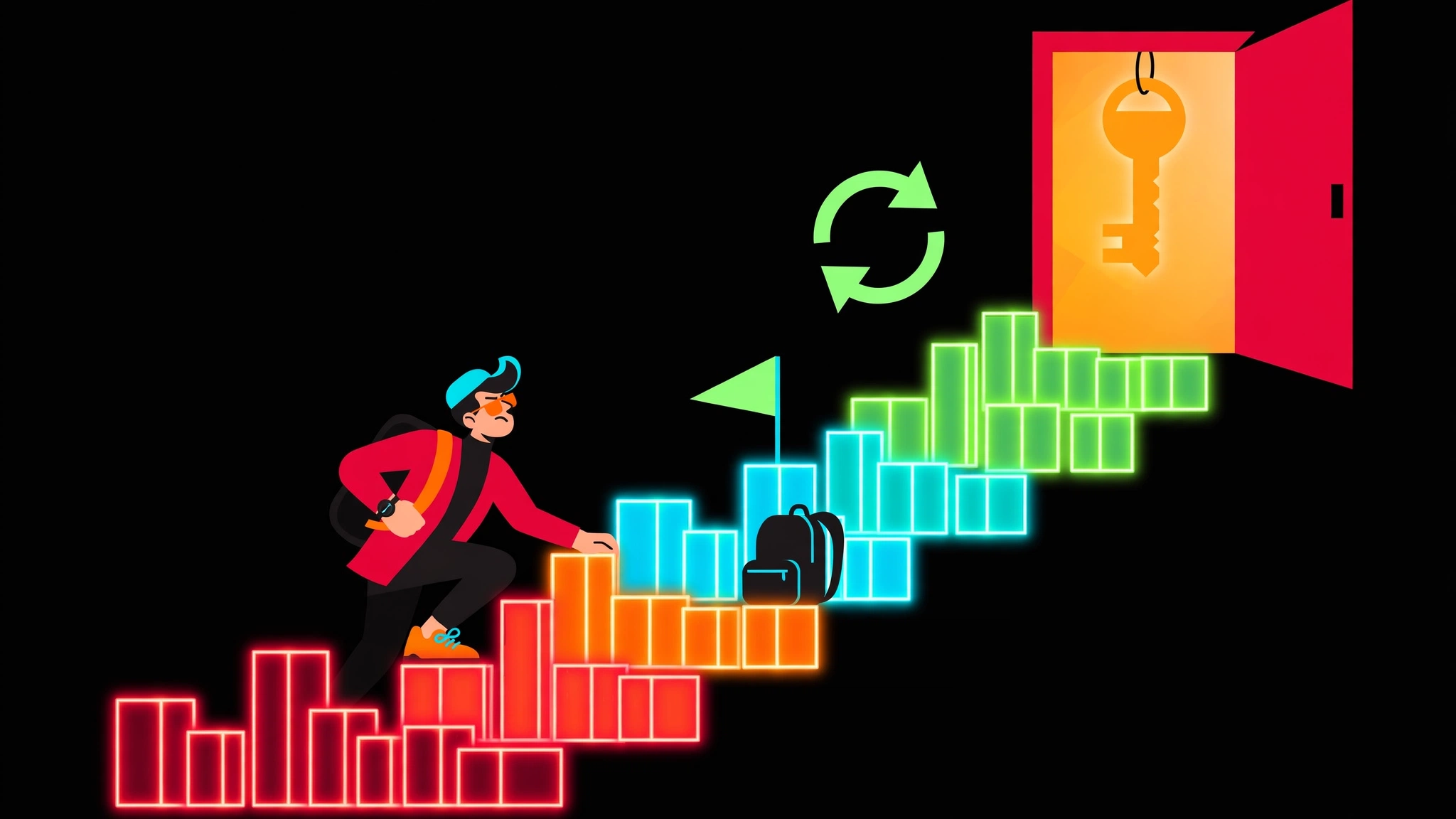
Step 1 — Find out why
Reply to the rejection email politely and ask what was missing. Managers often answer, and the answer is usually specific: no reachable phone number, no site, vague traffic plan, or a vertical mismatch.
Step 2 — Fix the actual gap
Do not just resubmit the same application. If the gap was a missing site, build the page. If it was vague traffic, write the one-sentence plan and set up tracking. If it was a missed call, make sure your number works and your voicemail is on.
Step 3 — Wait, then reapply with evidence
Give it a few weeks, build the missing piece, then reapply and mention what changed: “I was previously declined for lack of a traffic plan; I now run paid social to a pre-lander and track with RedTrack.” That sentence alone changes how the application reads.
Step 4 — Apply elsewhere in the meantime
A rejection from one network is not a rejection from all of them. Apply to a second network, and start on ClickBank while you rebuild the case for the first. Momentum beats waiting.
Never reapply with identical answers. A second identical application reads as carelessness; a revised application with new evidence reads as growth.
The pre-submit approval checklist
Run through this list before you hit submit. Every box checked is one fewer reason to say no.
Phone and email are real, monitored, and match the application.
Promotional methods name a channel, a format, and a vertical.
Website, landing page, or profile exists and looks maintained.
Tracker is set up, or you can name the one you will use.
Verticals named match the traffic you actually plan to run.
Incentivized traffic answered honestly.
Volume numbers are honest, even if they are small.
One-sentence test passed: a stranger could tell where your traffic comes from.
You are available to take the interview call within 24 hours.
Approval FAQ
Can I get approved with no experience?
Yes. Networks approve beginners every day. What matters is a specific traffic plan, a real site or profile, and honest answers — not a track record. Vagueness rejects beginners; inexperience alone usually does not.
How long does approval take?
For networks with a phone interview, typically 1–3 days once the call happens. The call itself is often the bottleneck — answer it, or call back promptly, and the timeline shrinks fast. Self-serve platforms approve in minutes.
What if I do not have a website yet?
Build a simple one before you apply — a landing page or a content page that shows what you do is enough. A social profile with real activity can also work. A blank or placeholder site is the one thing that consistently hurts.
Do I need a tracker before I apply?
Not strictly, but it helps a lot. A tracker account shows you understand tracking, and it gives you something concrete to mention on the call. If you run paid traffic, set one up first — it is a small effort that changes how your application reads.
Can I reapply after a rejection?
Yes, and most networks expect it. Fix the gap first, wait a few weeks, and reapply with evidence of what changed. Reapplying with identical answers is the one approach that rarely works.
Is approval a guarantee of earnings?
No. Approval is permission to run offers, not a promise of profit. Earnings depend on your traffic, your angles, and your testing. Treat approval as the starting line, not the finish.
Ready to apply the right way?
You now know what managers look for, what the call sounds like, and what proof actually convinces them. Run the checklist, pick the network that fits your plan, and apply with a case — not a guess.
Start Your MaxBounty ApplicationKeep reading on The Affiliate Hustle
Sources & further reading
More From The Affiliate Hustle
- How CPA Affiliate Networks Work
- Best Affiliate Networks for Beginners
- Affiliate Marketing Software Guide
- DraftKings vs FanDuel Casino PA (2026): Games, App, Payouts & Player Experience Compared
- Best Online Casinos in Pennsylvania
- MaxBounty Review (2026): The CPA Network With the Highest-Converting Offers
- RedTrack Review (2026): The Ad Tracker You Must Have to Know What’s Converting
- MaxBounty vs ClickBank Compared (2026): Payouts, Approval, Offers & Which Pays More
- Scale.gg vs GoHighLevel Compared (2026): Agent-Native Apps vs the Agency CRM





Leave a Reply