How-To Guide · Updated for 2026
You do not need a website, a blog, or a big budget to start as a ClickBank affiliate. You need one good product, one platform you will actually post on, and a clean path from content to checkout. This guide walks that path — step by step.
01 Before You Start: Account, HopLink & the Rules
Every method in this guide runs on the same three pieces, so set them up once, properly:
- Create your free ClickBank accountSign up at ClickBank.com, complete your profile and payment details, and confirm your nickname — that nickname becomes part of every affiliate link you generate.
- Generate a HopLink for each productInside the Marketplace, open a product and choose “Promote.” ClickBank creates your trackable HopLink. That link is how ClickBank knows a sale came from you — test it in a browser before you ever post it.
- Learn the two rulebooksClickBank prohibits spam and misleading claims, and each social platform has its own affiliate-link and disclosure rules. Add an FTC disclosure everywhere you promote, never promise results a product cannot back up, and never use a vendor’s brand name in a way that implies you are the vendor.
One mindset note before the tactics: “without a website” does not mean “without a home base.” Your funnel and link-in-bio page in Methods 3 and 4 do the jobs a website normally does — building trust and capturing emails — they just take an afternoon instead of a month. And if you later branch into cost-per-action offers as well, our explainer on how CPA affiliate networks work shows how those pay-per-lead models differ from ClickBank’s pay-per-sale model.
02 Step 1 — Pick a Product You Can Actually Promote
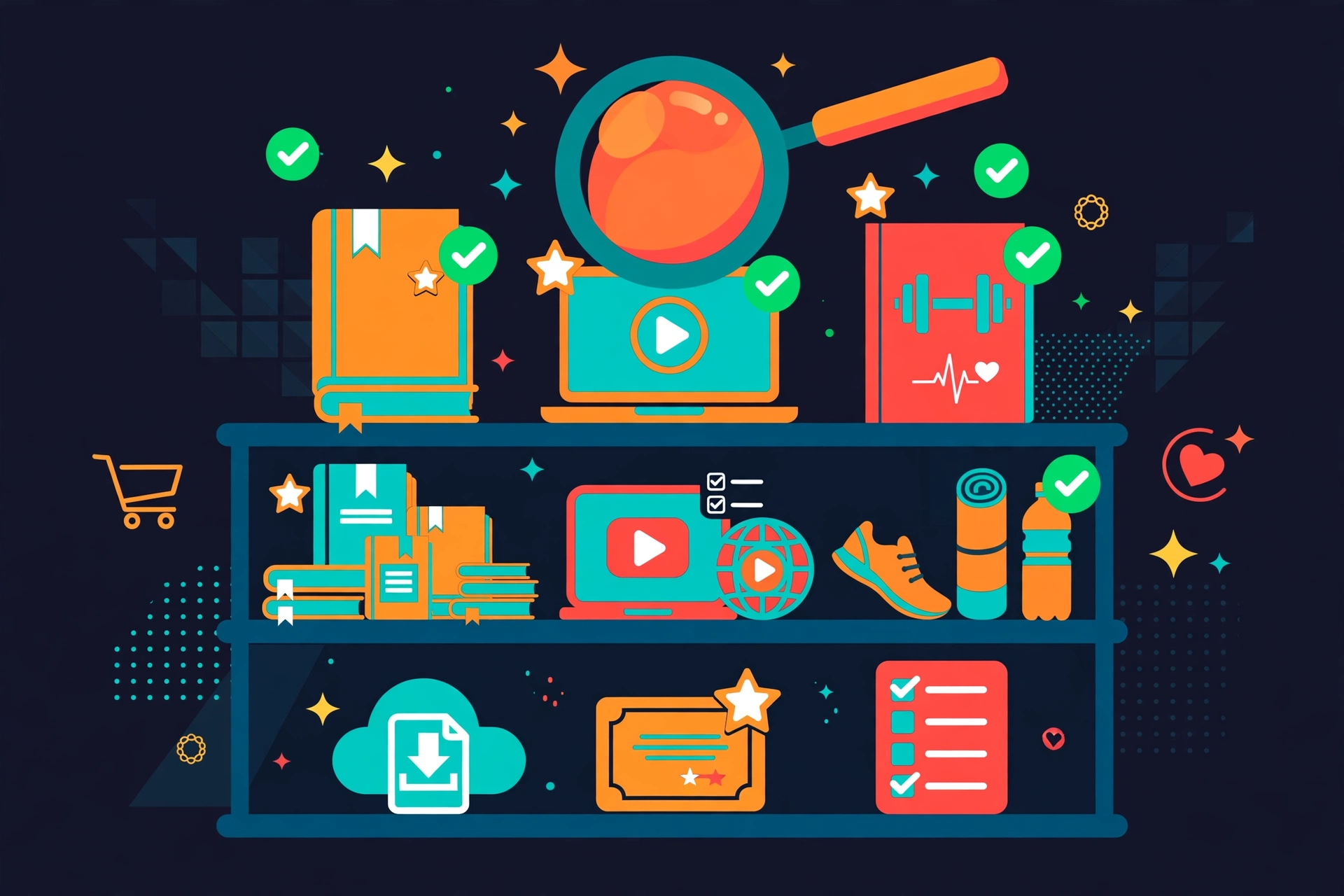
Your product choice matters more than your platform. Pick something you can explain honestly in 30 seconds.
Browse the ClickBank Marketplace by category and filter with these beginner-friendly checks:
- A problem you understand. If you cannot explain who it helps and how, your content will sound like an ad — because it will be one.
- Gravity with room to breathe. Gravity reflects how many affiliates earned commission recently. Some Gravity means the offer converts; extremely high Gravity often means heavy competition. The middle ground is the beginner sweet spot.
- A sales page you would trust. Watch the vendor’s video or read the page as a buyer. If it feels deceptive, skip it — your account and your audience absorb that risk.
- Affiliate resources. Vendors who supply banners, swipe copy, videos and a dedicated affiliate page are easier to promote well, especially without a site of your own.
- Commission that fits the effort. Digital products can pay higher percentage commissions than physical goods because there is no inventory — but compare the actual amount per sale, not just the percentage.
Still deciding which network deserves your time at all? Our head-to-heads put ClickBank against its two closest rivals: MaxBounty vs ClickBank compared and Digistore24 vs ClickBank compared. Many affiliates promote on more than one network — the methods below work the same way wherever your link comes from.
03 Method 1 — TikTok, Step by Step
Short video is the fastest free reach available to a new affiliate — if every video earns its watch time first.
TikTok rewards helpful, watchable content — not link drops. The affiliate play is to make videos people would watch even if they never bought anything, then route the interested minority through your bio.
- Niche the account downOne account, one topic that matches your product’s category — “home workouts for busy parents” beats “make money and fitness and recipes.” Clarity is what gets you followed.
- Study before you postSearch your niche’s key phrases, save the videos with strong comments (not just views), and note the hooks in their first two seconds. Comments tell you the exact questions your first videos should answer.
- Film the “answer” formatHook with the problem (“Three reasons your home workouts stall”), deliver one tight tip, and end by naming the resource in your bio for viewers who want the full program. Demonstrations, before-you-start checklists, myth-busting and honest “what I’d check before buying” videos all work in this slot.
- Send viewers to the bio — never spray linksTikTok videos are not link posts. Your clickable path is Profile → your link-in-bio page or funnel (Method 4). Say it out loud and pin a comment repeating it.
- Disclose in the video and captionUse TikTok’s branded-content disclosure where required and a plain-language note in the caption. Disclosure protects your account and, done openly, builds trust.
- Post, read the data, repeatWatch completion rate and comments more than follower count. Remake your best-performing angle with a new hook before you chase a new product.
What not to do on TikTok
Do not paste raw HopLinks into comments, do not re-upload the vendor’s own ads as your content, and do not make health or income claims the product page itself cannot support. Those are the fastest routes to suppressed reach or a banned account.
04 Method 2 — Pinterest, Step by Step
Pinterest is a search engine wearing a social app’s clothes — Pins keep getting found long after you post them.
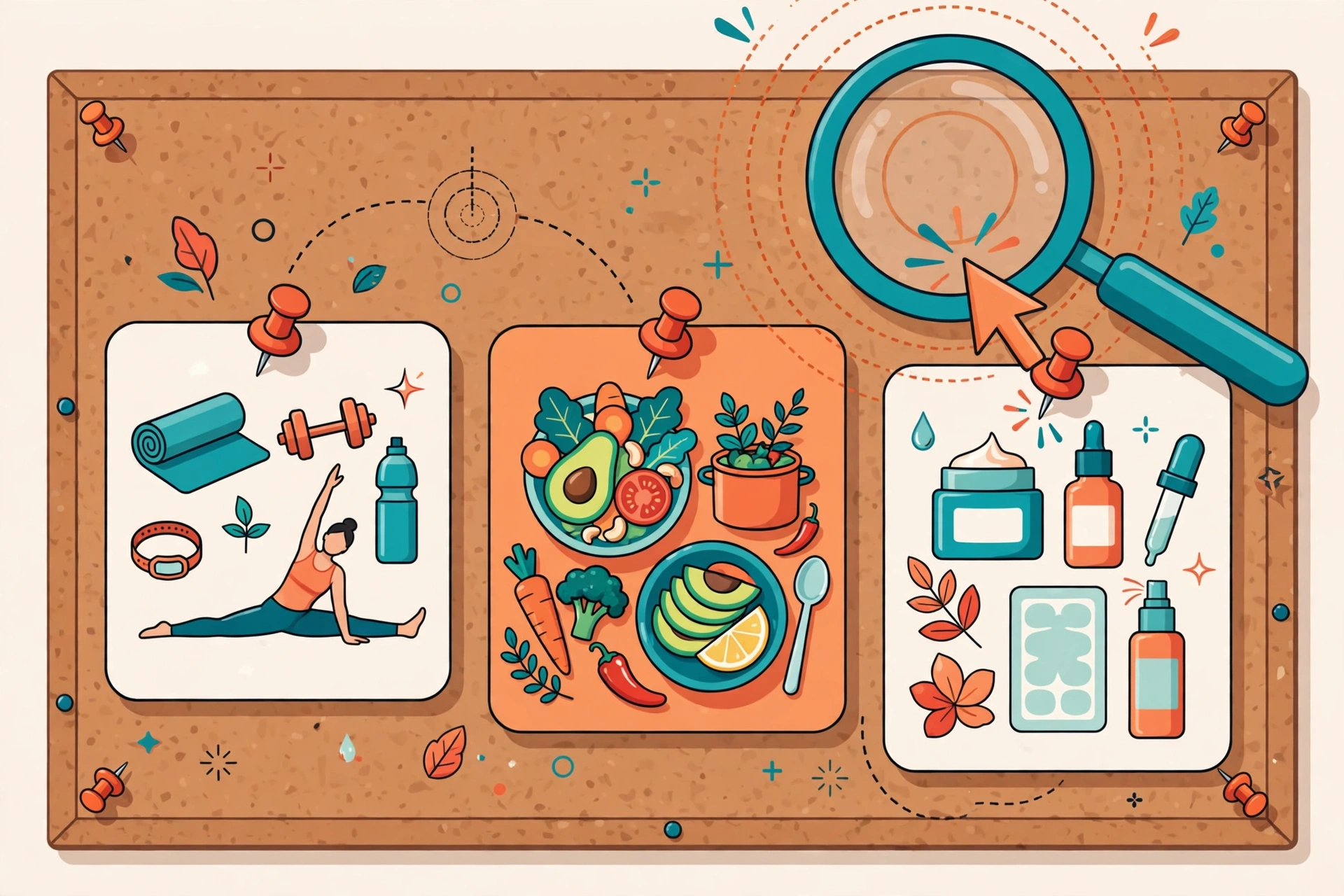
Pinterest users arrive with intent: they are planning a workout routine, a meal plan, a skincare reset. That makes Pinterest the quiet workhorse for ClickBank categories like health, food, home and self-improvement — and Pins can keep driving clicks for months.
- Set up a business account and claim your funnelA free business account unlocks analytics. Use your link-in-bio or funnel URL as your profile link so every Pin works within one consistent path.
- Build boards around buyer problemsName boards the way users search: “Beginner Home Workouts,” “High-Protein Meal Prep,” “Morning Skincare Routine.” Each board is a shelf for one problem your product helps with.
- Design Pins people can read at a glanceVertical images, one clear benefit in large text on the image itself, and a title and description written with the search words a buyer would type. Canva’s free tier is enough to start.
- Link each Pin down your pathWhere Pinterest allows direct destination links, many affiliates still route Pins to a bridge page or funnel (Method 3) so they can capture an email before the sales page. Whichever route you choose, keep it consistent and disclosed.
- Pin steadily, then double downConsistency beats bursts. After a few weeks, your analytics will show which boards earn outbound clicks — make more Pins for those topics and retire angles nobody saves or clicks.
05 Method 3 — A Simple Funnel: Your “Website” Without a Website
A one-page funnel plus an email follow-up does the trust-building job of a website — in a fraction of the setup.
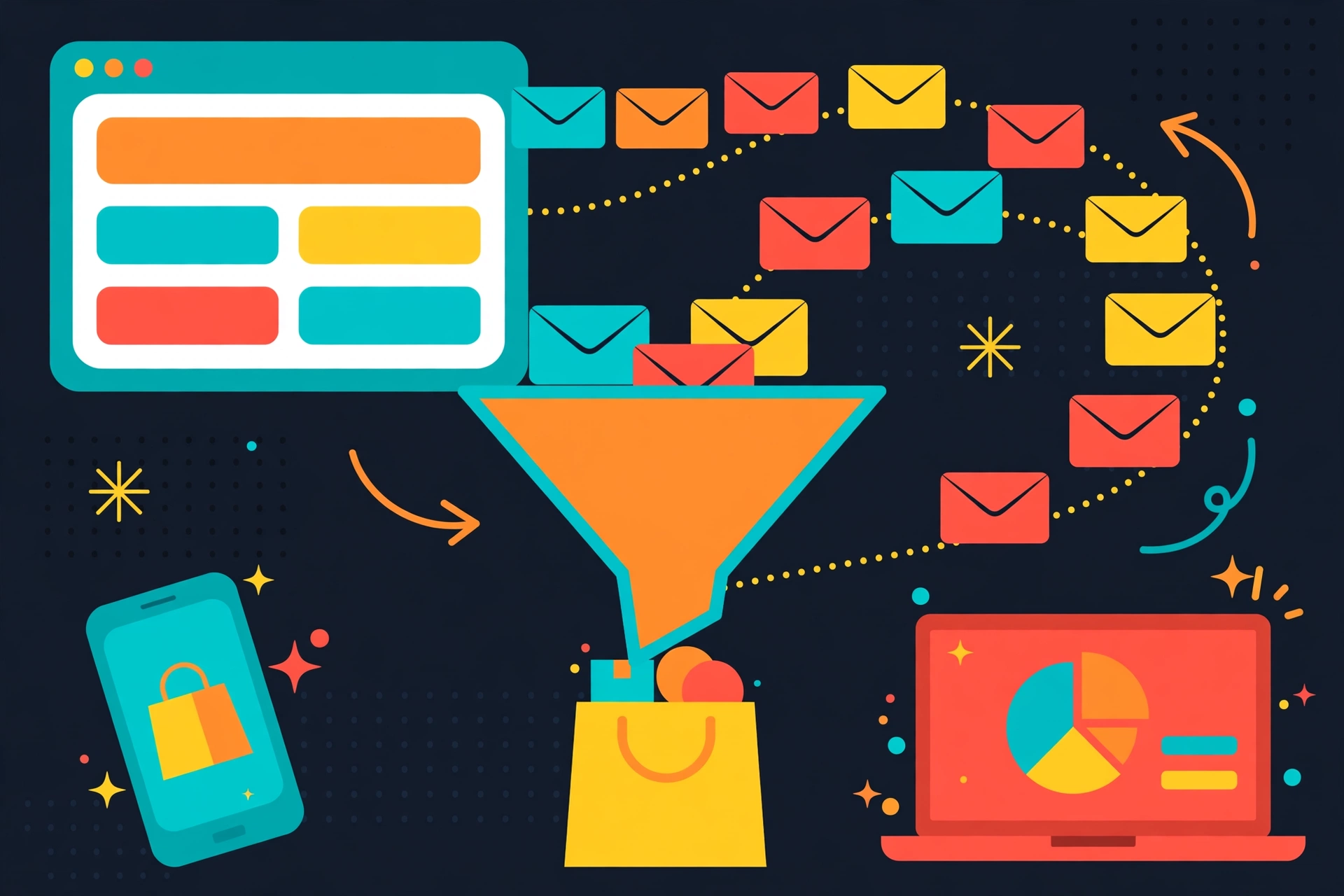
A funnel is just a guided path: a landing page offering something useful, an email opt-in, and then your HopLink presented with context. It solves the two biggest problems of social promoting — cold traffic hitting a sales page cold, and having no way to reach interested people again.
- Choose one lead magnet tied to your productA one-page checklist, a short quiz, a “starter mistakes” guide — something that helps with the same problem your ClickBank product solves, delivered by email.
- Build the landing page in a funnel or page builderMost funnel builders and email platforms offer a free or trial tier with landing pages included. Keep it to one promise, one form, one button. Your page must carry your affiliate disclosure.
- Connect an email follow-up sequenceDeliver the lead magnet in email one, follow with two or three genuinely useful tips over the next days, and introduce the product as the fuller solution — with your HopLink and your disclosure in every promotional email.
- Point everything at the funnelTikTok bio, Pinterest profile and Pins, and your link-in-bio hub all route here. One destination means one thing to improve.
- Check the numbers that matterLanding-page opt-in rate first, email clicks second, sales third. Fix them in that order — a funnel problem is usually a page problem, not a product problem.
That same funnel-first thinking is exactly how CPA affiliates operate on networks built around lead generation — if you want the bigger picture, read how CPA affiliate networks work after you finish here.
06 Method 4 — Link-in-Bio: The Hub That Ties It Together
One link in every bio, several clear doors behind it. Keep it to a handful of choices or it converts like none.
Social bios give you a single link. A link-in-bio page turns that single slot into a small, focused menu. Set one up free with any major link-in-bio tool and structure it like this:
- Top slot: your funnel. Label it by the benefit, not the tool — “Free Beginner Workout Checklist,” not “Click here.”
- Middle: your current product. One featured product with a one-line, honest description and your disclosure visible on the page.
- Bottom: your other platform. Send TikTok viewers to your Pinterest boards and vice versa; audiences compound when platforms cross-feed.
Keep it short. Three to five links maximum. A wall of buttons reads as spam and converts worse than one clear recommendation.
Revisit the hub whenever you change products — stale link-in-bio pages full of dead offers are one of the most common silent killers of beginner campaigns.

Get Your Free ClickBank Account
Create your affiliate account, grab your first HopLink, and run it through the TikTok or Pinterest steps above.
Join ClickBank Free →What to Do First: Your First Week
Feeling the pull to do everything at once? Don’t. Here is the order that gives a beginner the cleanest test:
Add the funnel in week two, once you know which content angle earns attention. Add the second platform only after the first one is posting on a rhythm you can sustain. That sequencing is also why network choice matters less than most beginners think — as our Digistore24 vs ClickBank comparison shows, the platforms differ mainly in catalog and payouts, while the promotion skills transfer completely.
Common Mistakes That Kill ClickBank Promotions
- Promoting five products at once. One product, one audience, one message until you have proof something works.
- Posting only when you feel like it. Algorithms reward rhythm. A sustainable schedule beats a heroic week.
- Copying the vendor’s hype. If the sales page promises results you cannot honestly repeat, say so — or pick a different product.
- Hiding the affiliate link. Shorteners and redirects that conceal the destination break trust and can break platform rules. Disclose and link cleanly.
- Quitting on the first quiet week. Early content is data collection. The first sales usually follow the first consistent month, not the first viral post.
FAQ
Can I promote ClickBank products without a website?
Yes. ClickBank’s HopLinks work anywhere a clickable link is allowed — social bios, link-in-bio pages, funnels and emails. A funnel or link-in-bio page replaces the trust and email-capture jobs a website normally does.
Which platform is best for a ClickBank beginner?
TikTok for fast reach if you enjoy short video, Pinterest for long-lived search traffic if you prefer graphics. Pick one and post on a rhythm you can sustain; adding a second platform too early is the most common beginner mistake.
Do I need paid ads to make ClickBank work?
No. Every method in this guide is organic. Paid ads can amplify a proven angle later, but paying to test an unproven product and message is an expensive way to learn.
How long does it take to see results?
That depends on your niche, posting rhythm and product fit. Treat the first month as a test: consistent content, real comments, and one clear path to your HopLink. Sales are a lagging indicator of those inputs.
Do I have to disclose affiliate links?
Yes. The FTC requires clear disclosure of affiliate relationships, and platforms have their own disclosure rules too. Add a plain-language disclosure wherever you promote — in captions, on your funnel and in emails.
Can I promote more than one ClickBank product?
Yes, but start with one until it has proof. Once one product and one platform are working, expand carefully — a second product to the same audience, or the same product to a second platform.
Start Without a Website Today
Your first HopLink, your first platform, your first five pieces of content. That is the whole plan.
Create Your Free ClickBank Account →Affiliate Disclosure: Some links in this article are affiliate links. If you sign up or purchase through them, we may earn a commission at no extra cost to you. We only recommend products and networks we believe can genuinely help our readers.
Comparing networks before you commit? Read our MaxBounty vs ClickBank and Digistore24 vs ClickBank comparisons, or start with the basics in how CPA affiliate networks work.
Category: Affiliate Networks · ClickBank · No-Website Affiliate Marketing
More From The Affiliate Hustle
- RedTrack vs Voluum Compared (2026): Tracking, CAPI, Pricing & Which Tracker Wins
- GoHighLevel vs ClickFunnels Compared (2026): Agencies, Funnels, CRM & Real Monthly Cost
- Golden Nugget vs DraftKings Casino PA (2026): Spins, Games, App & Payouts Compared
- ClickBank Gravity Score Explained (2026): What It Means & What Number to Target
- Digistore24 vs JVZoo Compared (2026): Commissions, Cookies, Payouts & Which Pays More
- How to Join Digistore24 as an Affiliate (2026): Step-by-Step Signup & Your First Promolink
- MaxBounty vs CPAGrip Compared (2026): Approval, Payouts & Which Network Pays More
- Is Digistore24 Legit or a Scam? (2026): What Affiliates Need to Know Before Joining
- Digistore24 vs ClickBank Compared (2026): Commissions, Cookies, Payouts & Which Pays More
- Chime Review 2026: No-Fee Checking, Get Paid Up to 2 Days Early, SpotMe & Up to 4.00% APY Savings
- PA Online Casino Bonus Rules Explained
- Scale.gg Review for Marketers: 29 Apps, Funnels, Email & Agency Workflows Tested
- How to Get Approved by CPA Networks
- Best Online Casinos in Pennsylvania
- DraftKings vs FanDuel Casino PA (2026): Games, App, Payouts & Player Experience Compared
- Affiliate Marketing Software Guide
- Best Affiliate Networks for Beginners
- How CPA Affiliate Networks Work
- Scale.gg vs GoHighLevel Compared (2026): Agent-Native Apps vs the Agency CRM
- MaxBounty vs ClickBank Compared (2026): Payouts, Approval, Offers & Which Pays More
- Scale.gg Review (2026): The Agent-Native All-in-One With 29 Apps — Full Breakdown
- The 7-Login Audit: How Solo Marketers Lose Their Best Work Hours Before 9 AM – Affiliate Hustle
- MaxBounty Review (2026): The CPA Network With the Highest-Converting Offers
- RedTrack Review (2026): The Ad Tracker You Must Have to Know What’s Converting
- DraftKings Casino in Pennsylvania: How the 1,000 Spins Offer Actually Works (2026 Guide)
- Golden Nugget Casino in Pennsylvania: The Classic Casino Brand, Online (2026 Guide)
- Best Online Casino Promotion in PA (2026): DraftKings vs FanDuel — Best Casino Offer Compared



Leave a Reply